MemoHoney Official Website › Blog › Lot Numbers And Product Records
A Lot Number Is Not A Lab Report
A MemoHoney lot number and certificate reference can identify a bottle and support a precise service question. They do not disclose a dose or replace a released laboratory report.
What the code can identify
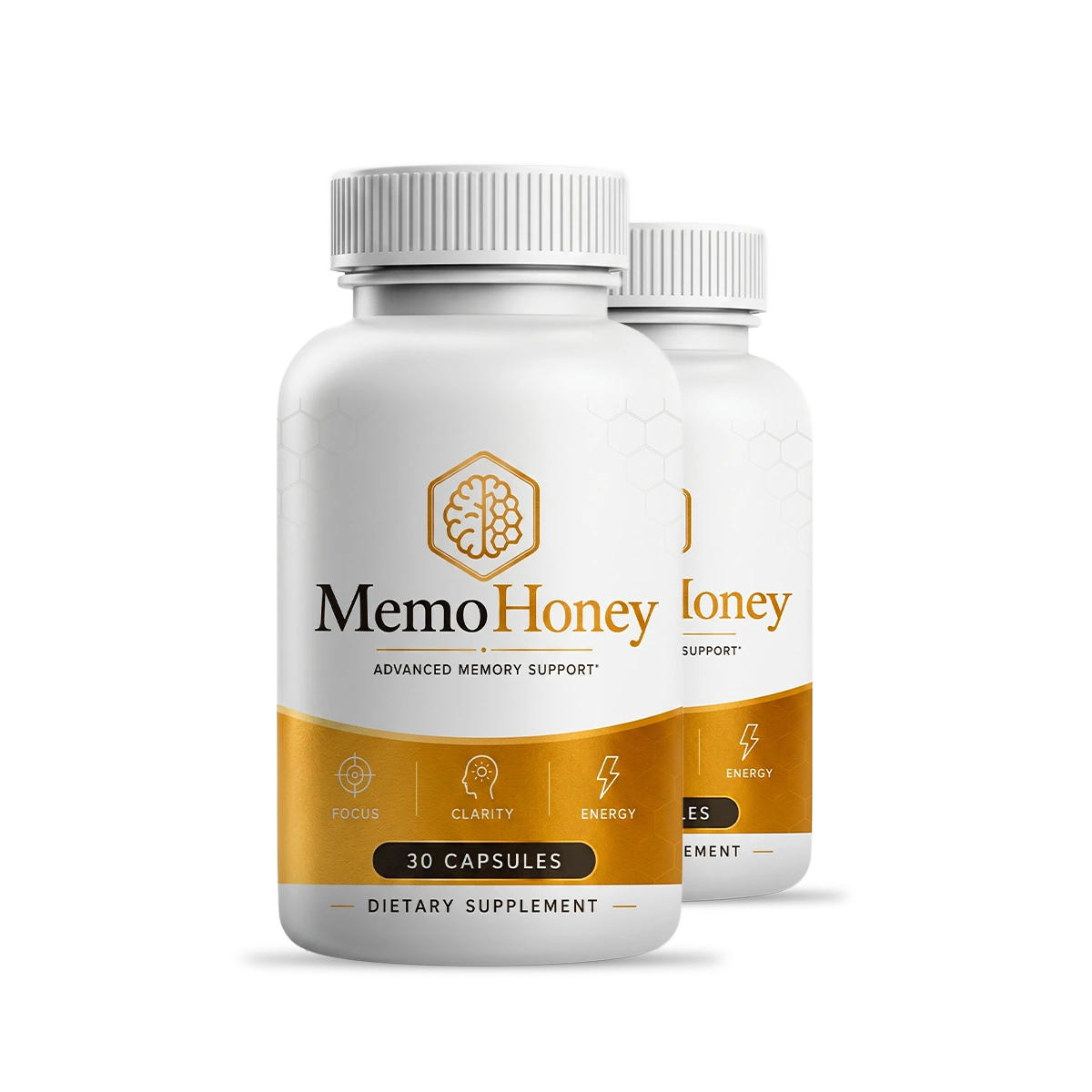
The supplied MemoHoney pack identifies lot MEM-26/ME-3415 and certificate reference MEM-3415-26-ME. Both are identifiers. Their immediate value is practical: they give a buyer a precise way to describe the bottle they received if an order, packaging, or return question arises. A small code is more useful than a memory of when a parcel arrived because it travels with the physical product.
An identifier also makes a service request easier to follow. A buyer can pair the visible code with an order ID, the name used at checkout, and the order email. If a parcel must be returned, the pack instructs the buyer to include a full name, email, and order ID. Adding a photograph of the base before shipping creates a clean record without making any claim about what is inside the capsule.
This is a deliberately limited benefit. A batch reference helps an ordinary retail conversation become specific. It does not make a formula clinically tested, show how much of an ingredient is present, or say whether a product is appropriate for one person. Treating the code as a product record is useful; treating it as proof of every product claim is not.
| Record | Useful for | Not proof of |
|---|---|---|
| Lot MEM-26/ME-3415 | Identifying a product run | Ingredient amount or purity |
| Certificate reference MEM-3415-26-ME | Asking for a specific document | That this site has reviewed a report |
| Order ID | Matching a purchase and service request | The contents of a bottle |
| Bottle photo | Showing visible packaging details | Laboratory analysis |
A record identifies information. A report supplies test details and results when it is actually released.
What a laboratory report would add
A laboratory report answers a different class of question. A useful report identifies the laboratory, sample, method, date, specification, and result. It tells a reader what was tested rather than merely which internal reference was printed on a bottle. The supplied MemoHoney material does not include an underlying report for the listed certificate reference, so this site does not claim to have reviewed one.
That absence should be described accurately. It is not evidence of a good result, a bad result, or a hidden result. It is simply an evidence limit: a buyer reading the pack has a reference code, but not a released document from which to discuss purity, amount, contamination, or conformity. Precise limits are more helpful than filling a blank with reassuring language.
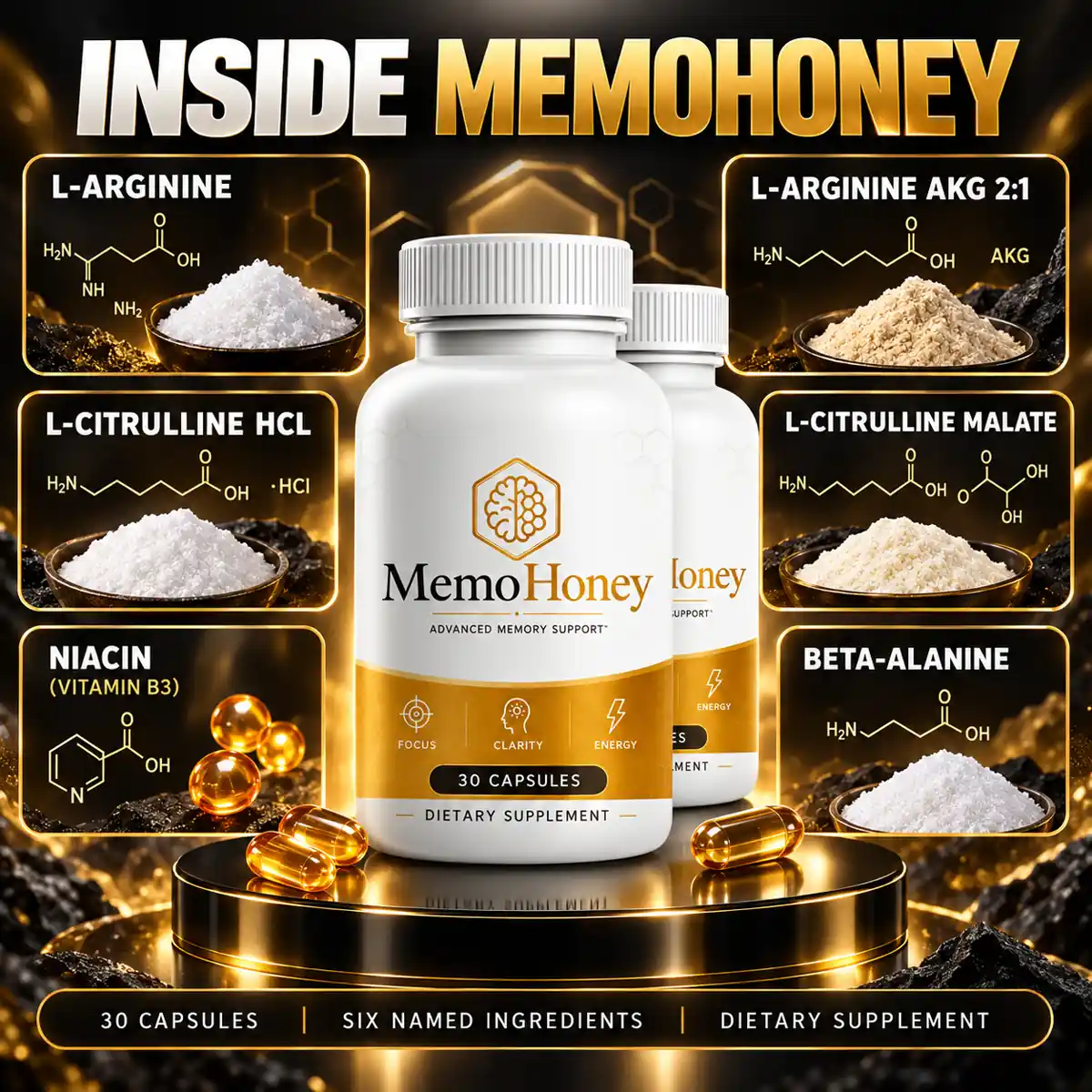
The same caution applies to the six named ingredients. L-Arginine, L-Arginine AKG 2:1 Extract, L-Citrulline HCL, L-Citrulline Malate, Niacin, and Beta-Alanine appear by name. The pack does not provide a Supplement Facts panel or a milligram amount for any of them. Neither a lot number nor a certificate reference supplies a missing amount.
Keep a record that can answer ordinary questions
A useful order record is short. Save the confirmation email, order ID, receipt date, and any message from the order desk. Photograph the bottle front and base while both are readable. If a return is arranged, retain the tracking receipt and the return instruction. This is not an extra test a buyer has to perform; it is a simple way to avoid trying to reconstruct a purchase from an empty inbox.
The supplied terms say the guarantee is 60 days from purchase, that a buyer pays return shipping, and that returns require a full name, email, and order ID. Those are service details, not health claims. The most useful time to keep them is before a problem exists, because a record made at delivery is less affected by an argument about what was said later.
A transaction record also has a boundary. It can help establish an order and a product reference. It cannot diagnose a reaction, settle a medicine interaction, or assess a concerning memory change. Those questions belong with a pharmacist or clinician who has the person’s medication list and health history.
Ask a question a seller can actually answer
The vague question, ‘Is this tested?’, can produce a vague answer. A better question names the document and the information sought: ‘The bottle shows lot MEM-26/ME-3415 and certificate reference MEM-3415-26-ME. Is a current document available, and does it name the laboratory, test date, method, specifications, and results?’ A written response can then be evaluated for the things it does and does not say.
Asking before payment is usually more useful than asking after the guarantee clock begins. A buyer who needs a particular document to make a purchase decision can say so without assuming the document exists. If no document is provided, the correct conclusion is only that it was not supplied. It is not an invitation to infer a high dose, a low dose, a passed test, or a failed one.
The order desk handles orders, tracking, changes, and refunds. The website contact handles page corrections, privacy, and press. Keeping those routes separate respects the information each can reasonably provide. It also avoids sending an order ID to a general website inbox when a tracking or return question needs the service desk.
Keep safety questions separate from product records
A lot reference is never a reason to ignore a health concern. The product is sold as a dietary supplement for adults 18 and over. The named list includes compounds that merit a medication check for some people. Anyone using a nitrate, a blood-pressure medicine, or a PDE5 inhibitor should take the full list to a pharmacist or prescriber before starting rather than relying on a label or a seller answer.
Memory change is also not a batch lookup problem. When forgetfulness is worsening, affects daily life, or is being noticed by family, assessment can identify causes that need attention. A supplement website can explain an ingredient list and a return process; it cannot distinguish sleep, mood, hearing, medicine effects, vitamin deficiency, or neurological illness.
That boundary is consumer-friendly, not evasive. It puts ordinary product-record questions with the retailer and time-sensitive health questions with a qualified professional. The two kinds of information can coexist without one being made to impersonate the other.
Keep the MemoHoney order details with the bottle
A lot reference, order ID, and clear photos help resolve an ordinary order or return question. They do not replace medical advice or a disclosed amount panel.
Two bottles $158 · six bottles $294 · 60-day money-back guarantee
Order MemoHoney On The Official WebsiteOne capsule a day · 30 per bottle · lot MEM-26/ME-3415
What this information can support
The honest decision supported by a lot number is modest: whether the buyer has enough information to identify a bottle and pursue a specific service question. It can also prompt a sensible pre-purchase request for documents. It cannot validate an undisclosed formula, replace a Supplement Facts panel, or prove a personal health outcome.
The testing and quality page records the same distinction. The ingredients page keeps the six names visible, and contact details separates website and order-service routes. Reading those pages together gives a buyer facts, limits, and a route for the next question without creating evidence that the supplied pack does not contain.
That is the point of a transparent product record: fewer assumptions, not more. Keep the code, keep the order documentation, and ask for a document when that document matters. Then let a clinician or pharmacist handle the questions that require medical context.
Keep evidence in order
One final check is useful before treating a product record as proof. Ask which fact is actually present in front of you: a code, a screenshot, an order receipt, a label, a seller response, or a released document. Each belongs to a different evidence level. A code and a receipt can identify an item and purchase. A label can state what it prints. A release document can report its own test. None should be promoted into a fact it does not contain.
This ordering matters because supplement decisions often collect many small signals: a familiar ingredient, a good-looking bottle, a certificate abbreviation, a customer comment, and a guarantee. The signals may help a person decide what to ask next, but they do not add up to a verified ingredient amount or an outcome study. Keep the missing information visible instead of trying to cancel it with a stack of unrelated details.
That method also keeps a service interaction fair. Provide the record the seller can use, ask for the document that would answer the question, preserve the reply, and decide from what was actually supplied. It is a better standard than either blind trust or a conclusion drawn from an identifier alone.
- Use a lot reference to identify a bottle and ask a specific service question.
- Do not call a certificate reference a laboratory report unless the report is supplied.
- Do not infer an ingredient amount from a code or a product image.
- Keep confirmation, order ID, photos, and tracking details together.
- Use a pharmacist or clinician for medicines, symptoms, and memory concerns.
MemoHoney is a dietary supplement for healthy adults of 18 and over. It is not a medicine, it is not FDA-approved, and it is not intended to diagnose, treat, cure or prevent any disease. Memory that is getting worse month by month, or that family notice before you do, deserves an assessment: thyroid function, vitamin B12, depression, sleep apnoea, hearing loss and several common medicines all produce the same symptom and all have a route to treatment that a capsule does not.
References
- U.S. Food and Drug Administration. Questions and Answers on Dietary Supplements. https://www.fda.gov/food/information-consumers-using-dietary-supplements/questions-and-answers-dietary-supplements
- National Center for Complementary and Integrative Health. Alzheimer's Disease: At a Glance. U.S. National Institutes of Health. https://www.nccih.nih.gov/health/alzheimers-disease-at-a-glance
- U.S. Federal Trade Commission. Health Products Compliance Guidance. December 2022. https://www.ftc.gov/business-guidance/resources/health-products-compliance-guidance
- Geller AI, Shehab N, Weidle NJ, et al. Emergency Department Visits for Adverse Events Related to Dietary Supplements. N Engl J Med. 2015;373(16):1531-40. PMID 26465986. https://pubmed.ncbi.nlm.nih.gov/26465986/
- Hersant H, He S, Maliha P, et al. Over the Counter Supplements for Memory: A Review of Available Evidence. CNS Drugs. 2023;37(9):797-817. PMID 37603263. https://pubmed.ncbi.nlm.nih.gov/37603263/